
Schlagwort: Digitale Kunst
-
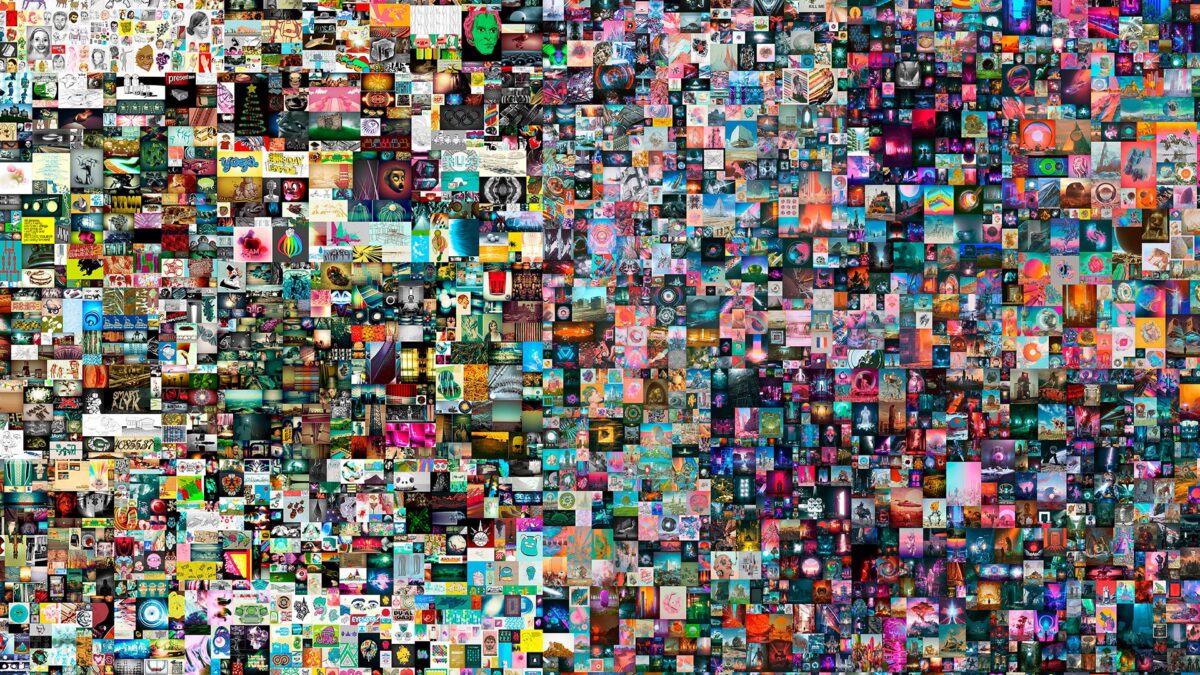
Yvonne Schweizer über NFT-Kunst
Weiterlesen: Yvonne Schweizer über NFT-KunstDER ZAUBER DES NATIV DIGITALEN UNIKATS Im Februar 2021 geht ein Raunen durch die Kunstwelt: Non-Fungible Tokens, kurz NFTs, scheinen den Kunstmarkt zu revolutionieren. Der 40-jährige Beeple, ein seit 2007 auf der Plattform Tumblr tätiger Grafikdesigner, erzielte im Februar für seine digitale Collage Everydays: The First 5000 Days einen Rekordpreis. Seit 2007, dem Gründungsjahr von Tumblr, lädt Beeple täglich ein digitales Werk auf die Plattform. Das Besondere: Die einzelnen Bestandteile der Collage bleiben auch nach der Versteigerung auf der Tumblr-Plattform sowie auf Instagram stehen. Jede Userin und jeder User kann die nativ digitalen Arbeiten als Bilddateien downloaden. Über die Hashtags…
-

Tina Sauerlaender on a pioneer of self-portraiture in computer art – Joan Truckenbrod
Weiterlesen: Tina Sauerlaender on a pioneer of self-portraiture in computer art – Joan TruckenbrodThe term “early computer art” usually evokes abstract plotter drawings based on algorithms by scientists and mathematicians like Herbert W. Franke or Frieder Nake as well as the artists Manfred Mohr and Vera Molnár. Although computer-generated figurative imagery has been created in the 1960s and 1970s, the image editing tools emerging during the 1980s finally allowed significantly new possibilities for artists. Joan Truckenbrod was one of the first to devote her artistic practice to the subject of self-portraiture in computer art. To create her multilayered collaged works, she combined the full repertoire of the technological possibilities of her time to…
-
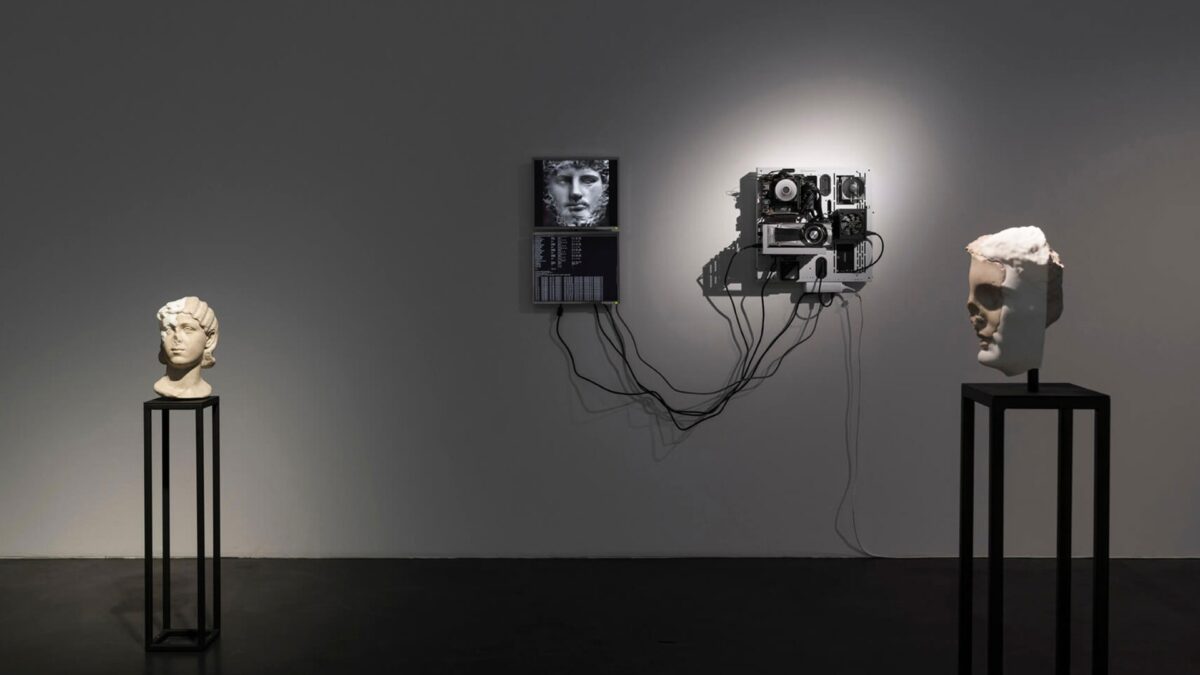
Ursula Ströbele on Digital Monuments, 3D Printing and Artificial Intelligence
Weiterlesen: Ursula Ströbele on Digital Monuments, 3D Printing and Artificial IntelligenceIn contemporary art, there are multiple approaches using technological tools such as 3D printing, AI, and machine learning. Morehshin Allahyari (*1985, Iran) and Egor Kraft (*1986, Russia) both deal with digital heritage in different ways. The blog text briefly introduces one project of each of them, thus showing the technological and artistic potential of the restoration (and re-imagination) of collective social, cultural memories within a meta-(speculative)-archeological intention. They raise questions about ethical, philosophical, and historical challenges when using automated means of investigation. Unlike the classical sculptural paradigm ‘truth to material‘, these ‘digital monuments‘ are made of simulations and interrogate established…